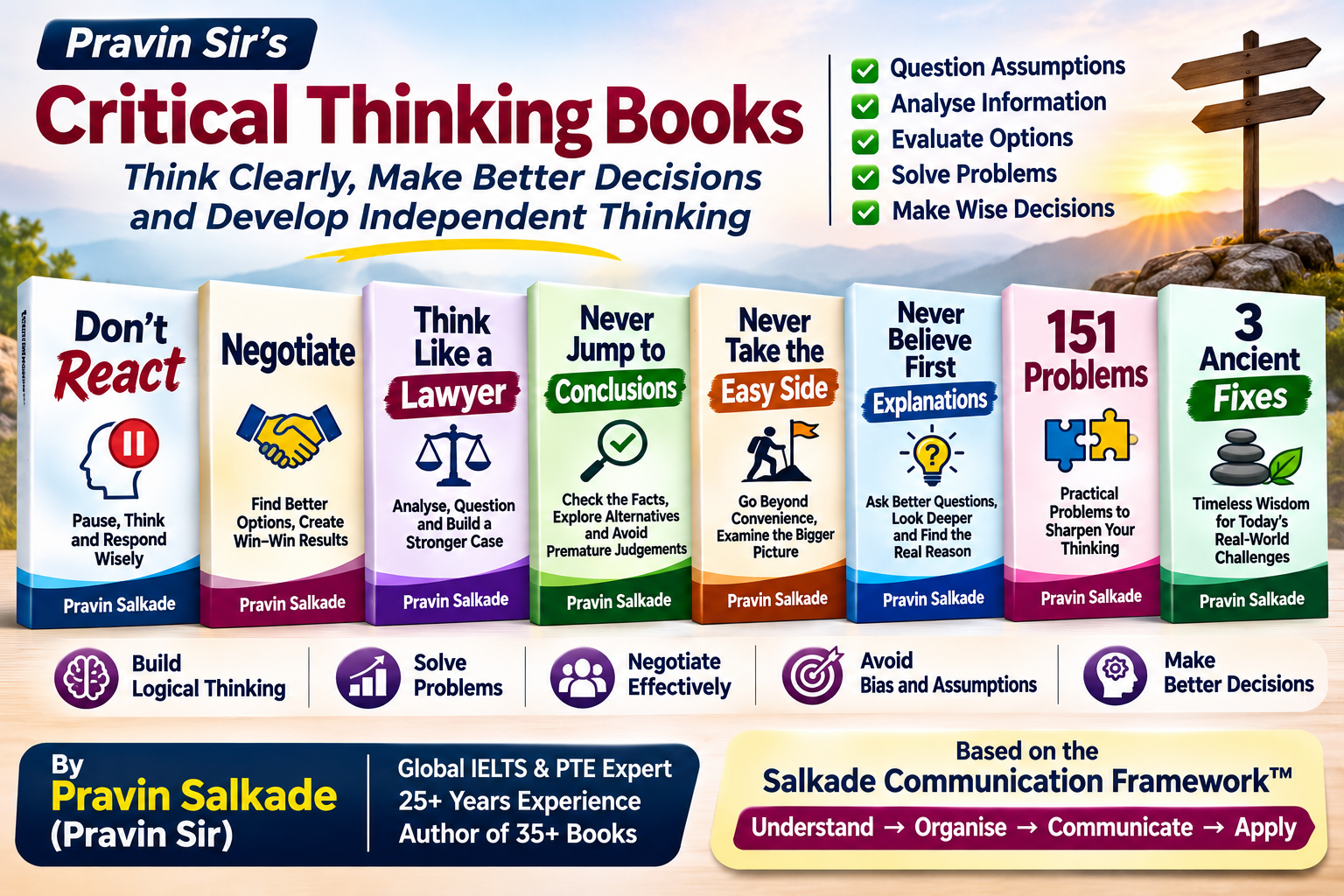
Q1. What is the central idea behind 151 Problems, 3 Ancient Fixes?
Modern life creates hundreds of different-looking problems, but many of them are connected to recurring human weaknesses: poor judgment, emotional reactions, impatience, attachment and lack of perspective.
The book explores problems through three ancient intellectual traditions: the Bhagavad Gita, Confucius and Stoicism.
Q2. Why use ancient ideas to solve modern problems?
Technology changes quickly, but many human problems do not.
People still struggle with anger, uncertainty, ambition, disappointment, relationships, fear and difficult decisions.
Ancient philosophies provide frameworks for thinking about these recurring problems.
Q3. What can the Bhagavad Gita teach about difficult situations?
One important theme is learning to focus on responsible action without becoming completely controlled by the outcome.
This can be useful when uncertainty makes decision-making difficult.
Q4. What does Confucian thinking contribute?
Confucian thought places strong emphasis on character, relationships, responsibility and appropriate conduct.
These ideas remain relevant in professional and personal relationships.
Q5. What can Stoicism teach modern people?
Stoicism encourages people to distinguish between what they can control and what they cannot.
That distinction can prevent unnecessary emotional energy from being spent on uncontrollable events.
Q6. Can philosophy provide a solution to every problem?
No.
Philosophy is not a substitute for professional advice, evidence or practical action. Its value is in providing frameworks that can improve reflection and decision-making.
Q7. Why study three traditions instead of one?
Different traditions can illuminate the same problem from different perspectives.
Comparing them can help readers avoid treating one philosophy as a universal answer.
Q8. What is the practical lesson?
When facing a difficult problem, don't ask only:
“How do I get rid of this problem?”
Also ask:
“What does this problem reveal about the way I think and act?”